How to Keep Your Lawn Green After Mowing
Learn expert methods to keep your lawn green after mowing. This guide covers watering, mowing height, nutrition, and seasonal tips for a lush yard.
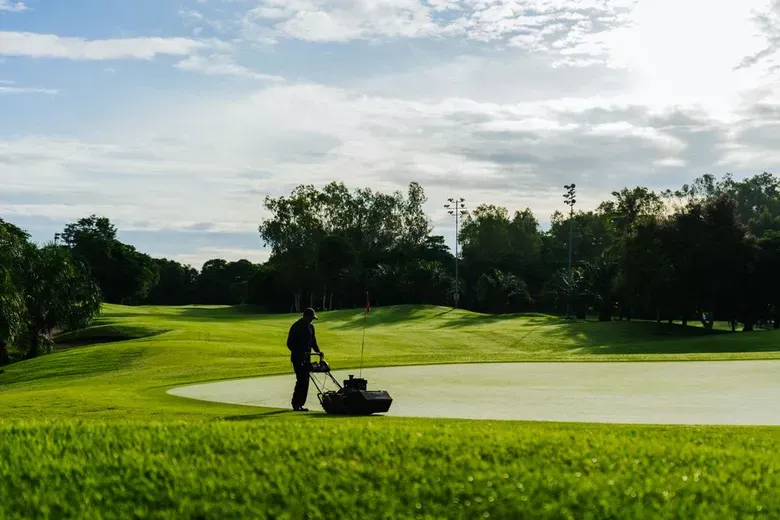
Lawn care after mowing is essential for a lush, green yard. Many people cut the grass and then stop. This is a mistake. Healthy grass needs support long after the mower is stored. You must focus on water, nutrients, and recovery. Follow these steps to keep your lawn green after every cut.
Mowing stresses the plant. The blades lose length and energy. To recover, the grass needs the right care immediately. Proper lawn care after mowing prevents damage and promotes growth. It keeps the color deep and vibrant. Use these mowing tips for healthy grass to protect your investment.
Water Deeply and Frequently
Immediate Hydration is Key
After you mow, the grass loses moisture. Water within one hour if possible. Use one inch of water to soak the soil. This helps the roots stay cool and hydrated. Frequent short watering is less effective. You want moisture deep in the ground. This practice is a core part of lawn care after mowing. It is the most direct way to prevent drying.
Schedule and Technique
Water early in the morning. This reduces evaporation and disease risk. Avoid watering at night if you can. Long roots need deep soaking. Use a screwdriver to test moisture. It should slide in easily to six inches. Consistent schedules are part of good lawn maintenance tips. They ensure the plant never stresses from thirst.
Mowing Height and Blade Care
Set the Right Height
Never remove more than one third of the blade. Cutting too low shocks the plant. It turns brown quickly. Set your mower high for cool seasons. Taller grass shades the soil. This keeps moisture in the roots. Follow mowing tips for healthy grass to avoid scalping. Scalping leads to instant damage and bare spots.
Sharpen and Balance
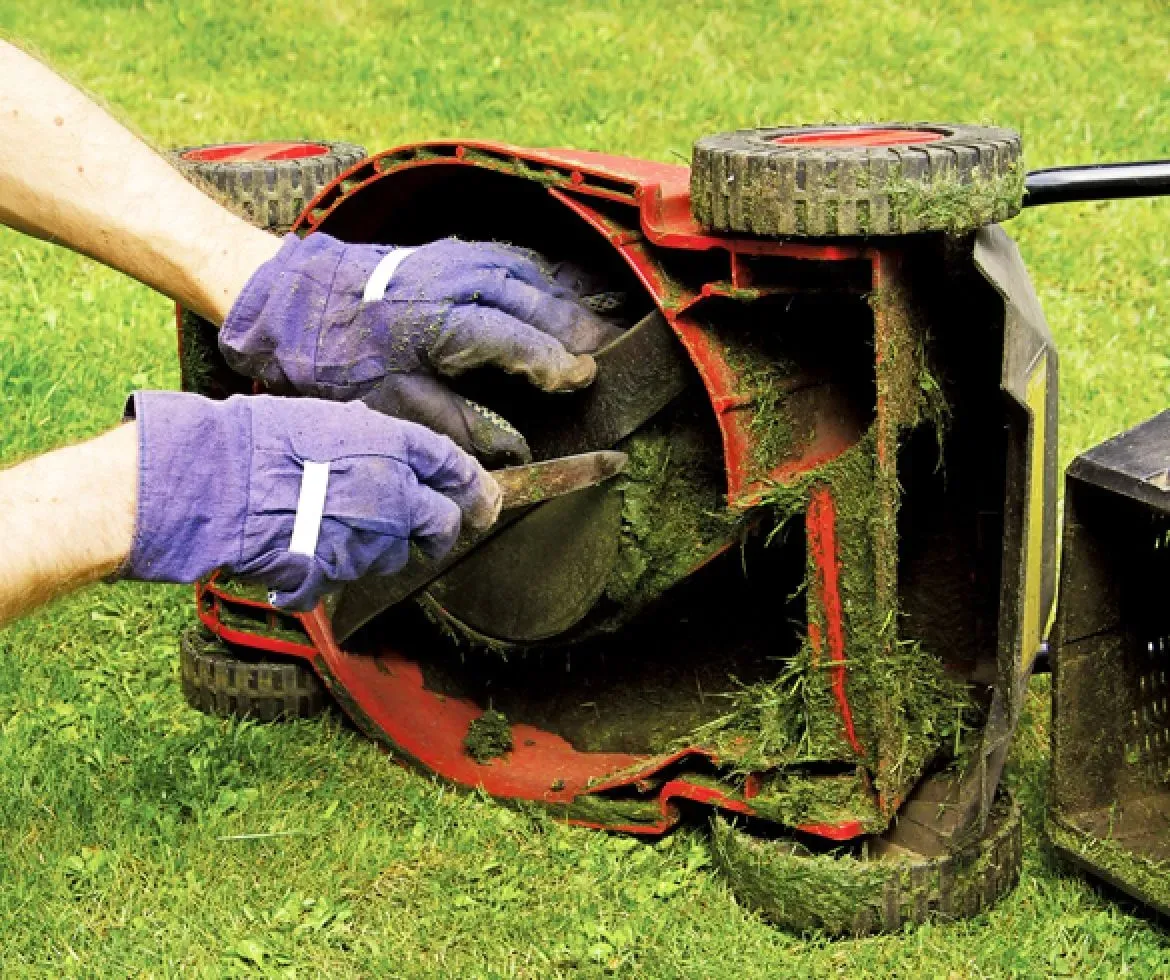
A dull blade tears the grass. Torn ends turn brown and frayed. Sharpen blades at least twice a season. Balance the deck for an even cut. Clean clippings to prevent disease. Sharp tools mean less effort and better results. [How to Mow Your Lawn for Better Results](https://lawnmowerguide.online/how-to-mow-your-lawn-for-better-results) offers more guidance on technique.
💡 Pro Tip
Mow in the late afternoon when grass is dry to reduce disease risk and ensure clean cuts that stay green longer.
Nutrition and Soil Health
Feed the Roots
Grass needs food to stay green. Fertilize based on your grass type. Use a slow-release formula for steady growth. Avoid high nitrogen in hot weather. It can burn the plant. Regular feeding supports recovery. It is a key part of lawn maintenance tips. Healthy soil grows healthy roots.
Aerate and Dethatch
Soil can become compacted over time. Air and water cannot reach roots. Use an aerator in the fall or spring. Remove plugs of soil to reduce compaction. Dethatch if the layer is thicker than half an inch. Thatch blocks water and nutrients. These steps boost root health and prevent brown grass. This is vital for year-round color.
⚠️ Important Note
Never remove more than one third of the blade height in a single mow to avoid stressing the grass and causing brown patches.
Traffic and Recovery Time
Protect the Healing Grass
Grass is fragile after a cut. Avoid foot traffic for one day. Use walkways if you must cross the yard. Driving on wet soil causes ruts. It damages the root structure. Give the lawn time to recover. Rest periods are part of smart lawn care after mowing. They reduce stress and prevent bare patches.
Seasonal Adjustments
Change your habits with the seasons. Mow high in summer to conserve water. Lower slightly in spring for fresh growth. Reduce frequency in drought. Increase it in peak growth. Observe the color and texture. Adjust your routine to match conditions. These small changes keep your lawn resilient.
Preventing Brown Grass and Disease
Identify Common Causes
Brown grass is a warning sign. It can be drought or disease. Fungal issues appear in humid weather. Improve airflow to reduce moisture. Water in the morning so blades dry quickly. Avoid evening watering. Remove clippings if they mat down. They can trap fungus. Quick action stops the spread.
Use the Right Tools
Use a hose-end sprayer for spot treatment. Apply fungicide if needed. Follow label instructions carefully. Rake out dead patches in spring. Overseed to fill thin areas. Use quality seed for your region. Consistent care prevents future problems. It keeps the green uniform and dense.
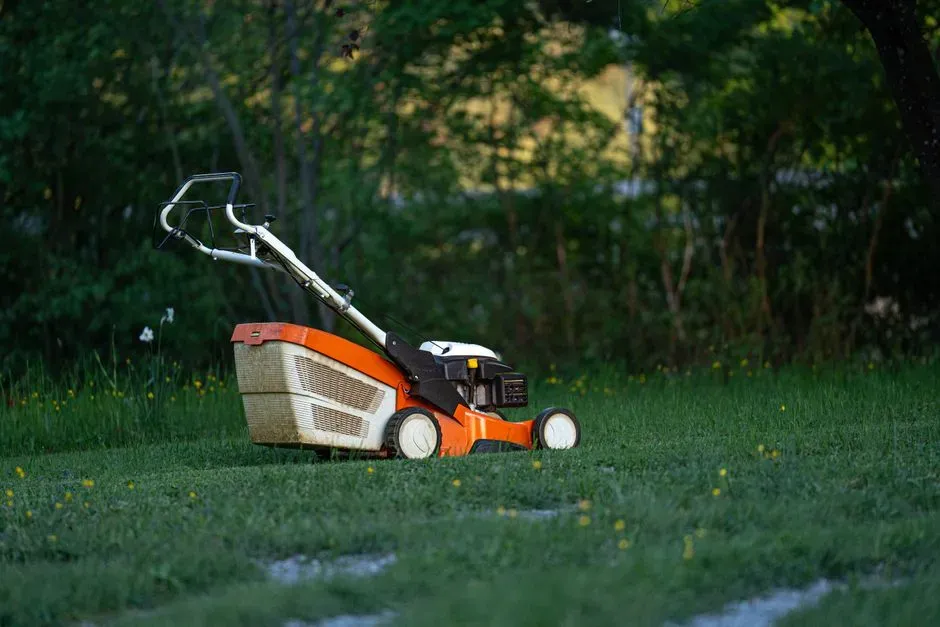
Seasonal Strategies for Year-Round Color
Spring and Summer Tactics
Spring growth is rapid. Mow frequently to manage height. Bag or mulch clippings. Mulch returns nutrients to the soil. Keep the green by feeding lightly. Use a balanced fertilizer. Summer heat slows growth. Mow less often. Raise the cutting height. This protects roots from heat. Follow lawn maintenance tips to handle stress. Water deeply once a week during heat waves.
Fall and Winter Preparation
Fall is the most important season. Grass stores energy for winter. Fertilize in early fall. Use a high potassium mix. It improves cold tolerance. Lower the mowing height gradually. This prevents snow mold. Clear leaves before they mat. They block light and air. Proper fall care ensures an early green start in spring. It is the foundation of a healthy lawn.
Troubleshooting Common Issues
Yellow Patches and Spots
Yellow spots often mean disease or dog spots. Flush the area with water. Use a fungicide for fungal issues. Dog spots need water to dilute salts. Reseed bare areas in fall. Use quality seed. Keep the soil moist until established. Observe patterns to find the cause. Quick fixes prevent larger problems.
Weed Management
Weeds compete for water and food. Use a pre-emergent in spring. It stops weed seeds from growing. Hand pull large weeds. Use a spot treatment for broadleaf weeds. Mow high to shade weed seeds. A thick lawn is the best defense. Healthy grass crowds out invaders. Follow lawn care after mowing steps to limit weeds.
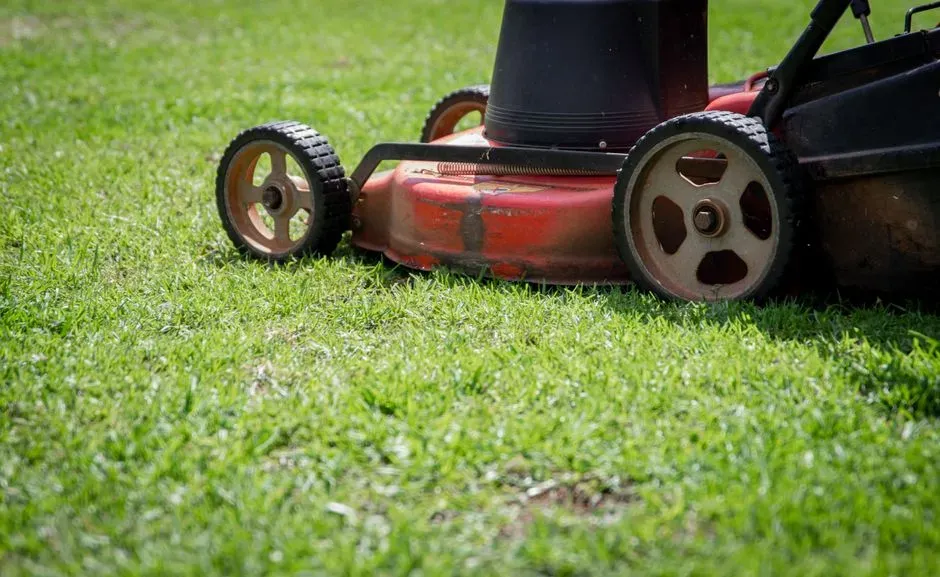
Equipment and Product Choices
Choose the Right Mower
Use a sharp blade suitable for grass type. Reel mowers are precise but noisy. Rotary mowers are versatile. Electric mowers are clean and quiet. Choose based on yard size. A good machine makes the job easier. It ensures a clean cut every time. Poor equipment causes more work later.
Accessories That Help
Use a grass catcher to collect clippings. Return clippings if you prefer. They act as a natural fertilizer. Use a hose to wash the deck after use. It prevents rust and disease spread. Keep tires inflated for even cutting. Simple habits extend machine life and improve results.
💡 Pro Tip
Mow in the late afternoon when grass is dry to reduce disease risk and ensure clean cuts that stay green longer.
Advanced Techniques for Lawn Enthusiasts
Vertical Mowing and Power Raking
Vertical mowing removes thatch buildup. It opens the soil surface. Power raking is similar but more aggressive. Use these in early spring. They improve air and water flow. They help grass roots grow strong. These techniques support color and density. They are part of a complete lawn maintenance tips plan for perfection.
Overseeding for Density
Thin lawns benefit from overseeding. Use a slit seeder for best results. It places seed in the soil directly. Water daily until germination. This fills gaps and improves coverage. A dense lawn stays green longer. It resists weeds and drought. This advanced step takes your lawn to the next level.
Frequently Asked Questions
How often should I water after mowing?
Water within one hour if possible, then deeply once a week. Adjust for rain and heat. Consistent moisture is the key to a green lawn. It supports recovery and growth.
Can I mow when the grass is wet?
It is not ideal. Wet grass clogs mowers and causes ruts. Mow when it is dry for a clean cut. If you must, use a bagger and clean the machine after.
How do I prevent brown patches in summer?
Raise the cutting height and water deeply in the morning. Avoid evening watering. Fertilize lightly in early summer. These steps reduce heat stress and disease risk.
Is it better to bag or mulch clippings?
Mulching returns nutrients and retains moisture. Bagging is better for disease control or thick clippings. Choose based on your lawn condition and time.
Conclusion
To keep your lawn green after mowing, you must focus on water, height, and recovery. Use smart lawn care after mowing habits consistently. Follow mowing tips for healthy grass to avoid stress. Prevent brown grass with proper technique and nutrition. A vibrant yard is the result of simple, repeated actions. Start today and enjoy a lush, green lawn all season long.