How to Clean a Lawn Mower Carburetor
Learn how to clean a lawn mower carburetor with this step-by-step guide. Fix clogged carburetor symptoms and improve mower performance easily.
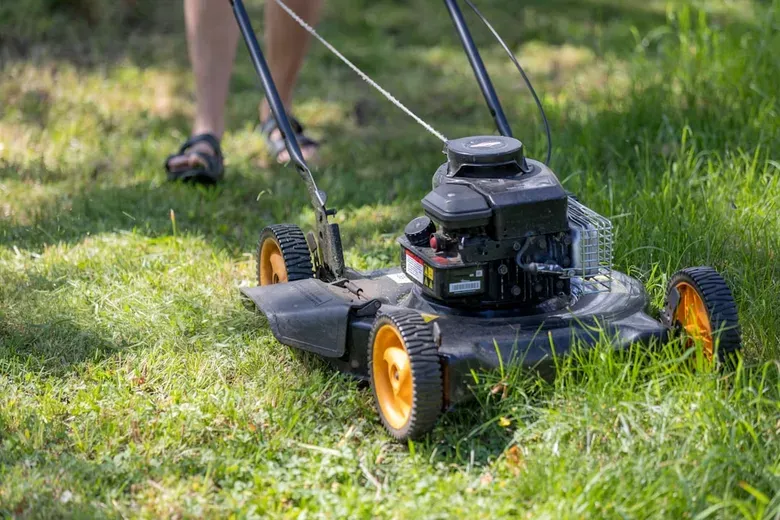
How to clean a lawn mower carburetor is a task every lawn mower owner should know. A clean carburetor keeps your engine running smoothly and prevents frustrating issues. Over time, lawn mower carburetor cleaning becomes necessary due to old fuel and dirt buildup. This guide explains the process in simple steps. You will learn to identify clogged carburetor symptoms and fix them. By following this small engine carburetor repair routine, you can avoid costly replacements.
Regular lawn mower maintenance includes cleaning the carburetor. A clogged carburetor often causes hard starting or stalling. With the right tools and carburetor cleaning spray, you can restore performance. This article covers everything from symptoms to step-by-step cleaning. You will also find tips to prevent future clogs. Let's start with the basics.
A dirty carburetor can make your lawn mower unusable. But cleaning it is not difficult. You just need patience and the right approach. This guide will walk you through each stage. You will save money by doing it yourself.
Key Takeaways
- Main Point: Cleaning the carburetor fixes many engine problems. It is a core part of lawn mower maintenance.
- Actionable Advice: Always drain old fuel first. Use fresh gas and a carburetor cleaning spray for best results.
- Best Choice/Practice: Remove the carburetor and soak it in cleaner. This ensures deep cleaning of all passages.
- Expert Insight: Pay attention to clogged carburetor symptoms like rough idling. Early detection saves time.
- Summary: With basic tools and this guide, you can perform small engine carburetor repair yourself.
Understanding Why Carburetor Cleaning Matters
The carburetor mixes air and fuel for combustion. When it gets dirty, the engine runs poorly. How to clean a lawn mower carburetor is a skill that prevents major repairs. A clean carburetor ensures proper fuel flow. This improves starting and power.
Old fuel often leaves deposits. These block small jets and passages. Lawn mower carburetor cleaning removes these blockages. Regular cleaning extends engine life. It also reduces emissions and saves fuel.
Ignoring a dirty carburetor leads to worse problems. You might need a replacement. But cleaning is usually enough. This guide shows you how.
Tools and Materials You'll Need
Before starting, gather these items. You need basic hand tools and a carburetor cleaning spray. Also get a small brush and safety gear.
- Screwdrivers (flathead and Phillips)
- Socket set or wrenches
- Carburetor cleaner spray
- Small wire or compressed air
- Gloves and safety glasses
- Container for parts
Some mowers have a separate carburetor kit. Check your model. A clean workspace helps. Label small parts to avoid confusion. This prepares you for proper lawn mower carburetor cleaning.
You may also need a replacement gasket. Old gaskets can leak. Inspect them during removal. A good seal is vital for engine performance.
💡 Pro Tip
Use a small wire or compressed air to clear tiny jets. Soaking the carburetor overnight in cleaner works wonders.
Step-by-Step Guide to Clean the Carburetor
Follow these steps for how to clean a lawn mower carburetor effectively. Work slowly and carefully.
Step 1: Drain the Fuel
Empty the gas tank to prevent spills. Run the engine dry or siphon old fuel. This step is crucial for safety. Old fuel can be toxic.
Step 2: Remove the Air Filter
Take off the air filter cover and filter. A dirty filter often contributes to carburetor clogs. Clean or replace it.
Step 3: Detach the Carburetor
Disconnect the fuel line and throttle linkage. Unscrew the mounting bolts. Gently remove the carburetor from the engine. Take a photo for reference.
Step 4: Disassemble the Carburetor
Take apart the carburetor carefully. Remove the bowl, float, and jets. Keep all parts in order. Use a carburetor diagram if needed.
Step 5: Clean with Spray
Spray carburetor cleaning spray on all parts. Pay attention to jets and passages. Use a small wire to clear stubborn blockages. Blow out with compressed air.
Step 6: Reassemble and Reinstall
Put the carburetor back together. Replace any worn gaskets. Mount it on the engine and reconnect fuel line and linkage. Attach the air filter.
Test the mower. It should start easily and run smoothly. If not, check for additional clogged carburetor symptoms.
⚠️ Important Note
Always wear safety glasses and gloves. Carburetor cleaner is toxic and flammable. Work in a well-ventilated area.
Common Clogged Carburetor Symptoms
Knowing clogged carburetor symptoms helps you act early. Look for these signs:
- Engine won't start or starts hard
- Rough idling or stalling
- Engine surges or runs unevenly
- Black smoke from exhaust
- Poor power or acceleration
These symptoms often point to a dirty carburetor. If you notice them, perform lawn mower carburetor cleaning. It is the first step in small engine carburetor repair. Regular lawn mower maintenance prevents these issues.
Sometimes the problem is elsewhere. Check the spark plug and air filter first. But carburetor issues are very common. Cleaning it solves most cases.
Tips for Preventing Future Clogs
Prevention is better than cure. Follow these tips to keep your carburetor clean.
- Use fresh fuel and add stabilizer
- Run the engine dry before storage
- Clean or replace air filter regularly
- Change oil as part of regular lawn mower maintenance (see our guide on how to change oil in lawn mower)
- Use a fuel filter if available
These habits reduce dirt and varnish buildup. They also improve overall engine life. If you have trouble starting after cleaning, check our guide on how do you start lawn mower for tips.
Storing your mower properly is key. Empty the tank or add stabilizer. This prevents gum formation. With care, you will need to clean the carburetor less often.
Frequently Asked Questions
How often should I clean the carburetor?
Clean it once a season or if you notice clogged carburetor symptoms. Regular lawn mower maintenance prevents heavy buildup.
Can I clean the carburetor without removing it?
You can use a spray cleaner without removal. But full cleaning requires disassembly for best results.
What is the best carburetor cleaning spray?
Use a dedicated carburetor cleaning spray from any auto parts store. Avoid harsh chemicals that damage seals.
Why does my mower still run poorly after cleaning?
Check for other issues like old fuel, spark plug, or air filter. Also ensure all jets are clean and properly adjusted.
Conclusion
Learning how to clean a lawn mower carburetor saves you time and money. This simple small engine carburetor repair task can restore your mower's performance. By recognizing clogged carburetor symptoms early, you avoid bigger problems. Use the steps and tips in this guide for effective lawn mower carburetor cleaning. Always practice regular lawn mower maintenance to prolong engine life. With the right approach, your mower will run reliably for years.
Remember to use fresh fuel and clean filters. If you encounter starting issues, refer to our related guides. A clean carburetor means a happy mower. Start your maintenance routine today.