How to Cut Grass Without Damaging Your Lawn
Learn the essential steps to protect your grass while mowing. This guide covers mowing height, sharp mower blades, and grass clipping management for a lush yard.
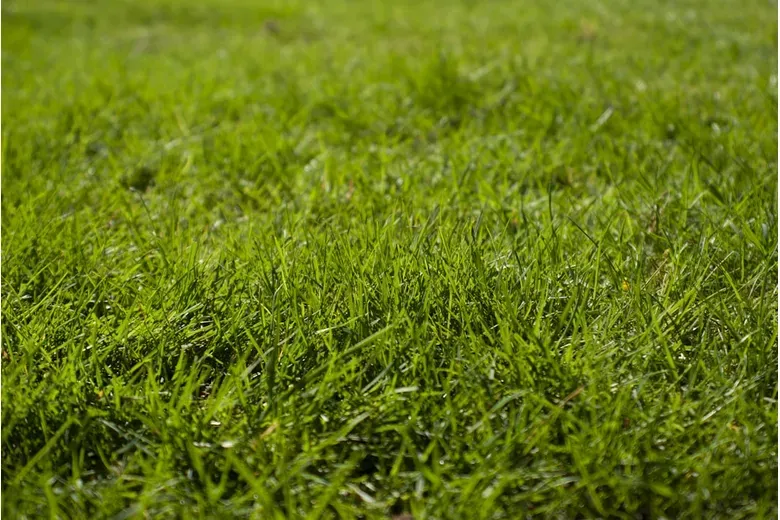
Healthy lawn care starts with proper mowing techniques. Many people ruin their grass with poor habits. You can achieve a lush yard by following key rules. This guide teaches you how to cut grass without damaging your lawn. Protecting your soil and roots is also very important.
Mowing seems simple, but small mistakes cause big problems. Cutting too short stresses the plants and invites weeds. Using dull tools tears the grass blades and creates jagged edges. Understanding the right practices saves you time and money. You will learn how to maintain vibrant, green grass all season long.
Master The Mowing Basics
Follow The One Third Rule
The most important lawn care tip is never removing more than one third of the blade length. Cutting too much shocks the plant and stops growth. Your grass needs long blades to fight weeds and stay healthy. Always mow when the grass is dry for cleaner cuts. Wet grass clumps and clogs the mower, causing uneven patches.
Set The Correct Mowing Height
Your mower height setting changes everything. Taller grass develops deeper roots that resist drought. It also shades the soil, preventing new weed seeds from sprouting. Keep your blades high during summer heat to protect the roots. You should adjust the height based on the grass type and season.
Sharpen Your Mower Blades Often
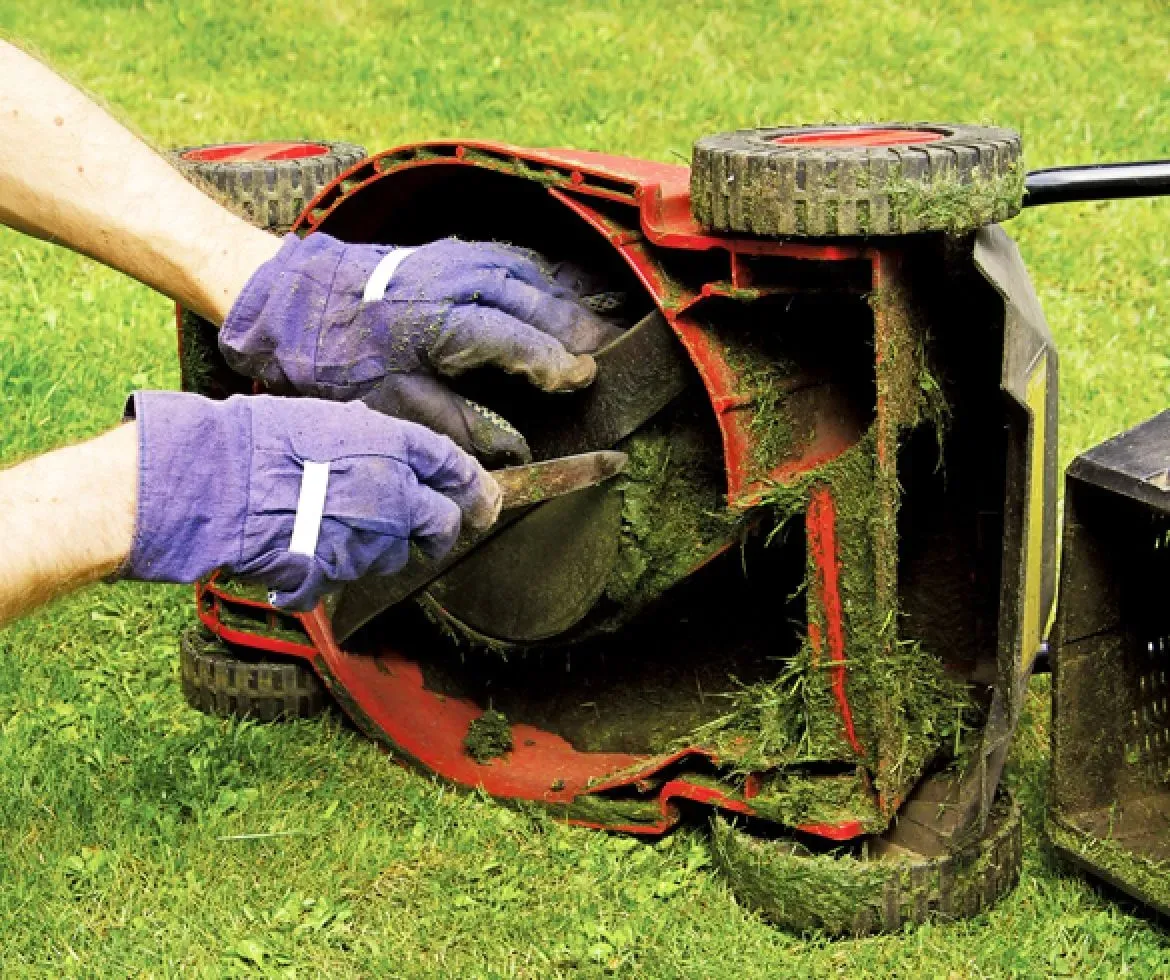
Dull mower blades crush and rip the grass instead of cutting it cleanly. This damage creates brown, frayed edges that turn yellow quickly. Sharp mower blades make precise cuts that heal fast and prevent disease. You should sharpen the blades at least twice each growing season. A simple test is to check if the cut feels smooth.
Change Your Mowing Pattern
Mowing in the same direction every week causes ruts and soil compaction. Varying the pattern helps the grass stand upright and grow evenly. It also prevents wheel tracks from forming on soft ground. Try pushing the mower north one week and east the next.
Equipment And Preparation
Choose The Right Mower
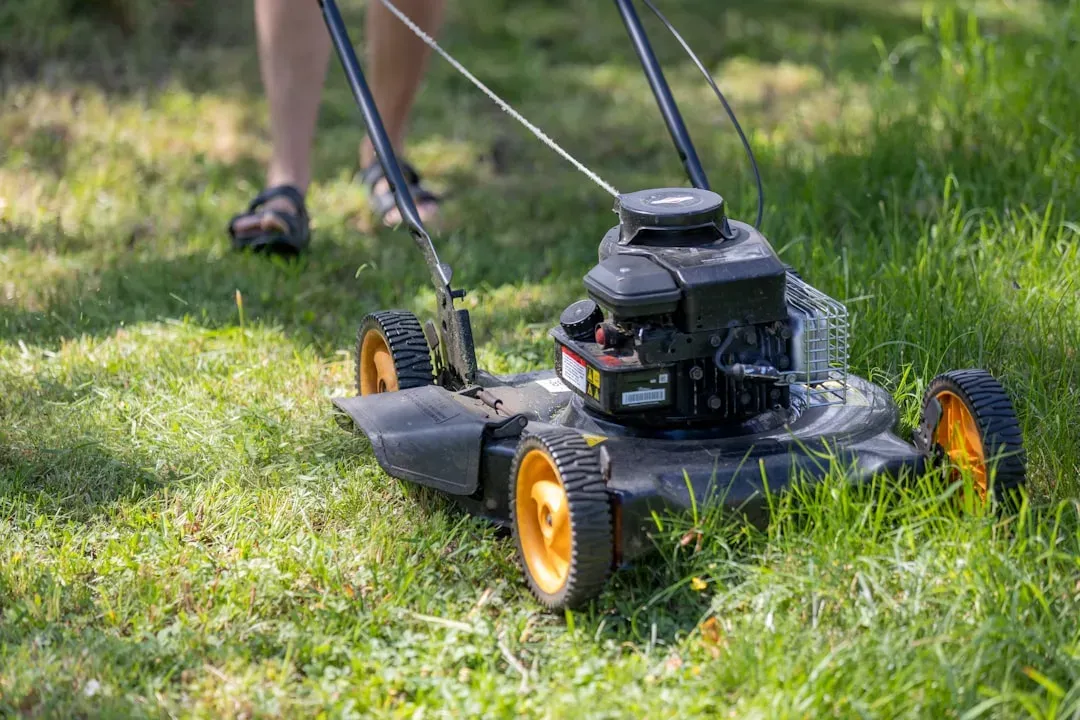
Selecting the correct tool is vital for lawn health. A mower that is too powerful can scalp your lawn, while a weak one struggles to finish. Consider your yard size and terrain before buying a model. Read a how to buy a lawn mower for home guide for best results. The right machine makes the job easier and more effective.
Clear The Lawn First
Never mow over sticks, rocks, or toys hidden in the grass. These objects can fly out and damage the mower or hurt you. They also damage the mower blade and tear the grass blades. Spend a few minutes picking up debris before you start. This simple step protects your equipment and your lawn.
Use A Sharp Blade
A sharp blade is the foundation of grass cutting. It slices through the stems cleanly, reducing stress on the plant. Torn grass is more vulnerable to pests and fungal infections. This is a core lawn care tip that improves your entire routine. Replace or sharpen dull blades at the start of every season.
Advanced Lawn Care Tips
Grass Clipping Management
You might wonder if leaving clippings is bad for the lawn. The answer is usually no, and it is called grasscycling. Clippings return nutrients to the soil as they decompose quickly. This natural process reduces the need for fertilizer. Only remove the clippings if they form thick layers that smother the grass.
Mow When Conditions Are Ideal
Timing affects the quality of the cut and the health of the roots. Mowing in the early morning or late evening reduces heat stress on the plant. The cooler temperature prevents the sap from drying too fast. Avoid mowing during the peak heat of midday in summer.
Maintain Consistent Moisture
Deep watering encourages roots to grow downward in search of water. Frequent shallow watering makes roots lazy and weak. Water your lawn thoroughly once a week rather than daily. This practice helps the grass survive long periods without rain.
Seasonal Mowing Strategies
Spring And Early Summer Care
Spring growth is rapid, which means you will mow more often. Follow the one third rule strictly as the grass grows quickly. Raise the cutting height as the weather warms to protect the roots. Bag the clippings only if your lawn shows signs of disease. Otherwise, mulch them back into the soil for feeding.
Late Summer And Fall Preparation
As temperatures drop, the grass slows its growth rate. You can lower the mower height slightly to prepare for winter. This helps prevent matting and snow mold under the blades. Keep cutting until the grass stops growing entirely. A final sharpening of the mower blade ensures a clean cut next year.
💡 Pro Tip
Mow when the grass is dry and never remove more than one third of the blade length in a single session.
Troubleshooting Common Issues
Dealing With Scalping
Scalping happens when the mower removes too much grass at once. It usually occurs on uneven ground or when the blades are set too low. Scalped areas turn brown and expose the soil to weeds. Fix this by raising the height and filling low spots with soil. Reseed the damaged patches to restore the green look.
Handling Uneven Growth
Sometimes the lawn looks patchy despite regular mowing. This can be caused by poor soil, shade, or pests. Check the roots and moisture levels in the affected areas. Adjust your watering schedule and consider adding fertilizer. If the problem persists, consult a lawn care expert for advice.
Key Takeaways
- Main Point: Never cut more than one third of the grass height to avoid stress.
- Actionable Advice: Keep your mowing height appropriate for the season and grass type.
- Best Choice/Practice: Use sharp mower blades for clean cuts that heal quickly.
- Expert Insight: Manage grass clipping management by leaving clippings unless they clump.
- Summary: Consistent care and proper tools create a resilient, green lawn.
⚠️ Important Note
Never mow a wet lawn or with dull blades, as this tears the grass and opens the door to disease.
Frequently Asked Questions
How Often Should I Mow My Lawn?
During active growth in spring and summer, mow once a week. In cooler seasons, every two weeks is often enough. Always check the grass length before deciding. Never follow a strict calendar without checking the height.
Is It Better To Bag Or Mulch Clippings?
Mulching is better for lawn health in most cases. It returns nitrogen and organic matter to the soil naturally. Only bag clippings if they form thick layers that block sunlight. Grass clipping management is easier with a mulching mower.
What Should I Do If I Cut The Grass Too Short?
First, stop mowing until the grass recovers. Water deeply to help the roots cope with the stress. Apply fertilizer to encourage new growth. Next time, remember the one third rule to prevent this issue.
Can Mowing Damage The Soil Structure?
Yes, driving on wet soil with a heavy mower causes compaction. Compacted soil prevents water and air from reaching the roots. Use a lightweight mower or stay off the grass when it is damp. This protects the soil structure long term.
Conclusion
Learning how to cut grass without damaging your lawn is simple with the right habits. Focus on mowing height and sharp mower blades for the best results. Follow these lawn care tips consistently to see a thicker, greener yard. Your effort will pay off with less work and a beautiful outdoor space.
Remember that grass clipping management and seasonal adjustments are key to long-term success. You now have the tools to maintain a healthy lawn year-round. Start applying these techniques today and enjoy the results tomorrow.