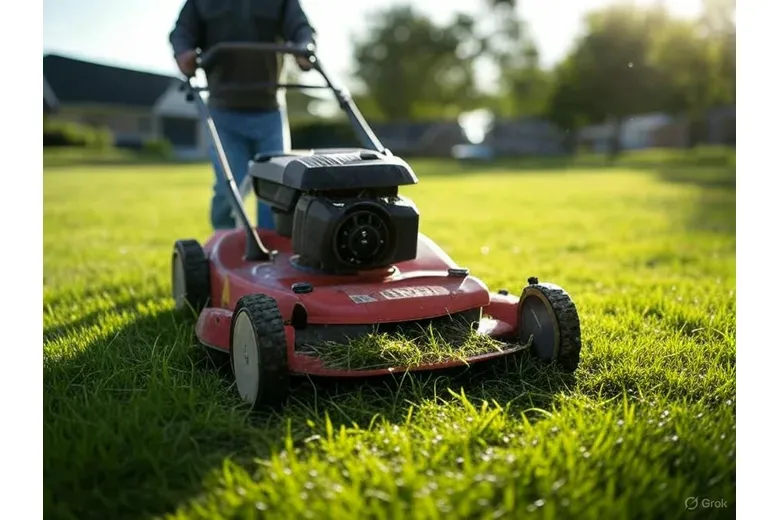
How to Change a Lawn Mower Blade
Learn how to change a lawn mower blade step by step. This guide covers removal, sharpening, and installation for a clean cut and healthy lawn.
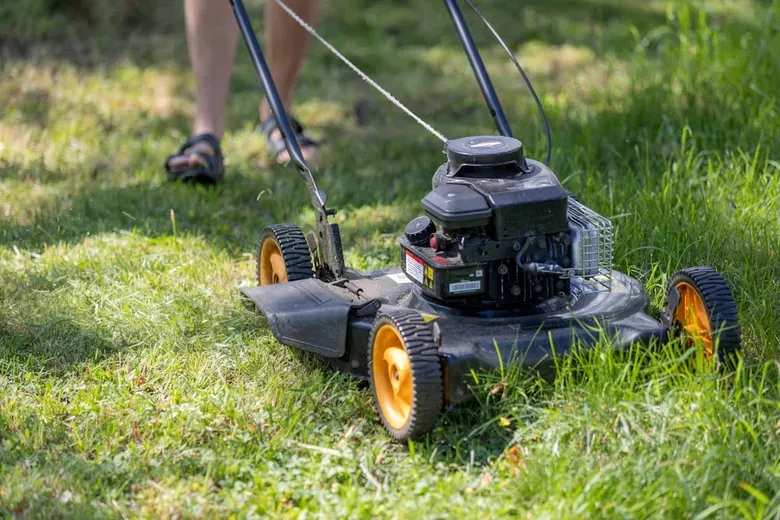
How to change a lawn mower blade is a simple skill every homeowner should learn. A sharp blade cuts grass cleanly, keeping your lawn healthy. Dull blades tear grass, causing it to turn brown. Regular lawn mower blade replacement ensures a crisp cut. This guide covers everything from tools to final checks. You will learn how to remove a lawn mower blade, sharpen lawn mower blade techniques, and install lawn mower blade correctly. Proper lawn mower maintenance extends mower life. Let us get started.
First, safety is key. Always disconnect the spark plug wire before working on your mower. The blade can spin and cause injury. Wear gloves to protect your hands from sharp edges. Use eye protection when using tools. This step cannot be overemphasized. A safe workspace makes the job easy.
Second, gather your tools. You need a wrench or socket set. A blade removal tool or block of wood helps hold the blade still. A file or grinder for sharpening is optional. You might buy a new blade for lawn mower blade replacement. Check your mower manual for blade size. Most blades come in standard sizes. Having the right tools simplifies how to change a lawn mower blade.
Key Takeaways
- Main Point: Changing a lawn mower blade is a quick job that improves cut quality and grass health.
- Actionable Advice: Always disconnect the spark plug and tilt the mower with the air filter up to prevent oil leaks.
- Best Practice: Sharpen or replace blades at least once per season or after 25 hours of use.
- Expert Insight: A blade removal tool makes the process safer and prevents damage to the blade nut.
- Summary: Follow these steps: remove spark plug, tilt mower, block blade, loosen nut, remove old blade, install new blade, tighten, and reconnect spark plug.
Step-by-Step: How to Remove a Lawn Mower Blade
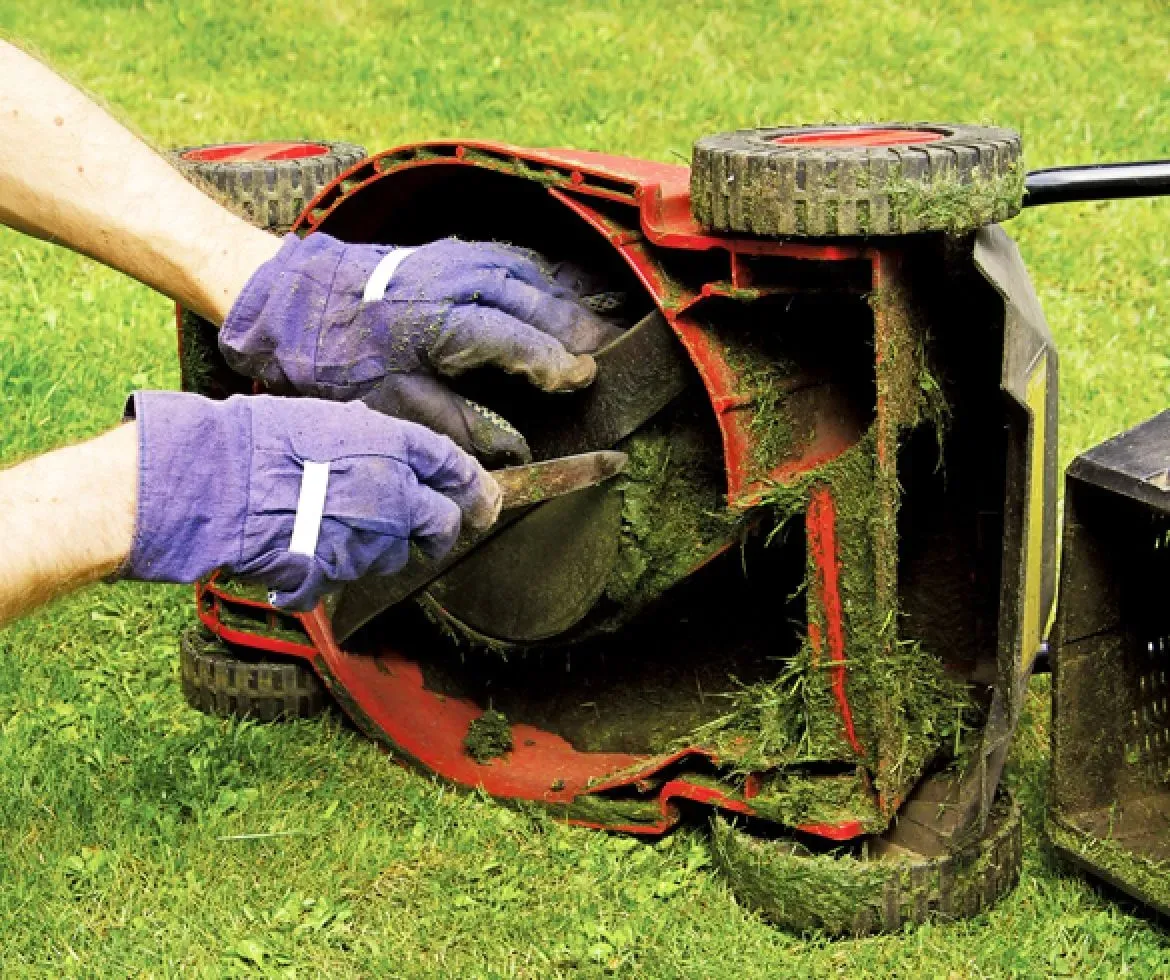
How to remove a lawn mower blade is the first big step. Start by turning off the engine and letting it cool. Disconnect the spark plug wire. This prevents accidental starts. Next, tilt the mower on its side. Keep the air filter and carburetor facing up. This stops oil from leaking into the filter. Use a block of wood to jam the blade. This keeps it from turning while you loosen the nut.
Apply penetrating oil if the nut is stuck. Let it sit for a few minutes. Use a wrench to turn the nut counterclockwise. Most mowers have a reverse thread on the left side. Check your manual. Once loose, remove the nut and washer. Slide the blade off the shaft. Note the blade orientation. The curved side usually faces up. Mark it or take a picture for reference. Now you have the old blade off. You can either sharpen lawn mower blade or replace it.
Tools for Blade Removal
- Wrench or socket that fits the blade nut.
- Block of wood to jam the blade.
- Penetrating oil for stubborn nuts.
- Gloves and safety glasses.
Using the right tools makes how to remove a lawn mower blade simple. Always use the correct size socket. A deep socket works best. Avoid using pliers. They can round the nut. Keep your workspace clean. This prevents losing small parts.
How to Sharpen a Lawn Mower Blade
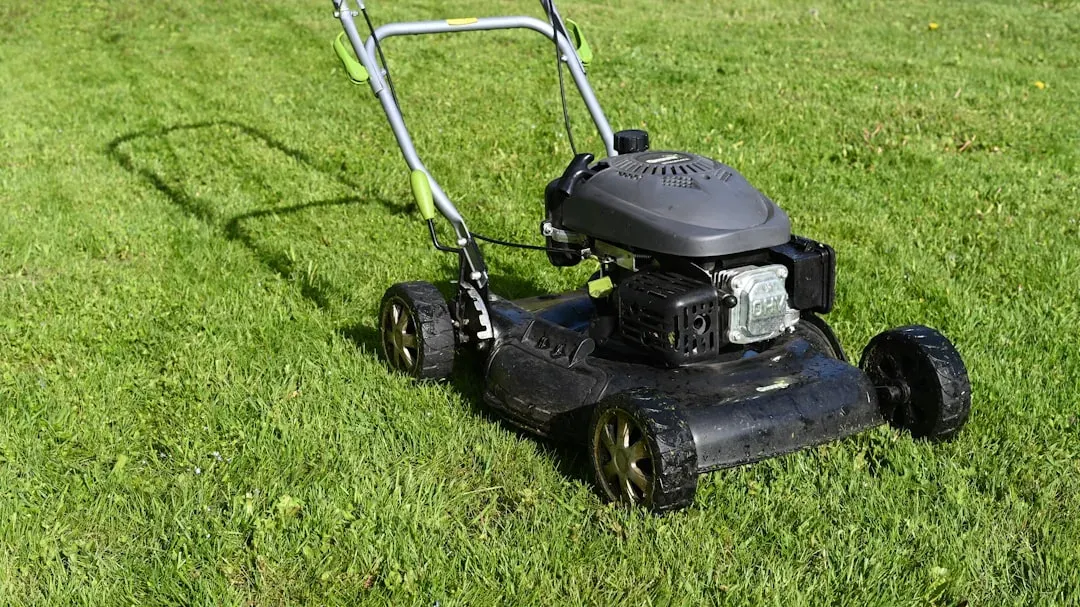
Before you install lawn mower blade, you might choose to sharpen lawn mower blade. Sharpening restores the cutting edge. A sharp blade reduces fuel consumption. It also produces a cleaner cut. Dull blades tear grass, leading to disease. Sharpen your blade twice per season. You can use a file, bench grinder, or angle grinder. Follow the original bevel angle. Do not overheat the metal. Overheating weakens the blade.
Clamp the blade in a vise. Wear gloves. Run the file along the cutting edge. Push in one direction. Use even strokes. For a grinder, apply light pressure. Cool the blade with water frequently. Check for balance after sharpening. An unbalanced blade causes vibration. You can balance it on a balancer or screwdriver. Remove metal from the heavy side. A balanced blade ensures smooth operation.
💡 Pro Tip
Use a blade removal tool to lock the blade in place. This prevents injury and makes loosening the nut much easier. Always wear heavy-duty gloves.
When to Replace Instead of Sharpen
Sometimes lawn mower blade replacement is better than sharpening. Replace the blade if it is bent, cracked, or too thin. A damaged blade can break off at high speed. That is dangerous. Also replace it if the cutting edge is worn down too much. New lawn mower blades are inexpensive. Safety comes first. Check your blade after each season. Replace it every two years for best performance.
- Bent blades cause uneven cuts.
- Cracks mean immediate replacement.
- Thin blades break easily.
- If sharpening removes too much metal, buy new.
How to Install a Lawn Mower Blade Correctly
How to install lawn mower blade is the final step. Place the new or sharpened blade onto the shaft. Make sure the curved side faces upward. The air lift side should point toward the deck. Slide the washer and nut back on. Hand tighten the nut. Then use your wrench to tighten it securely. Do not overtighten. Follow the torque spec in your manual. Use a torque wrench if possible. A loose blade is dangerous. A too tight nut can damage the threads.
After installing, manually spin the blade. Check for clearance. It should spin freely without hitting the deck. Reconnect the spark plug wire. Lower the mower to its wheels. Start the engine and test at low speed. Listen for unusual noise. Check the cut quality. If everything seems fine, you are done. Remember to perform lawn mower maintenance regularly. Clean the underside of the deck. Change oil and air filter. For a complete guide, check out how to change oil in lawn mower.
⚠️ Important Note
Never tilt the mower on its side with the air filter down. Oil can leak into the filter and damage the engine. Always tilt so the air filter is up.
Lawn Mower Maintenance Tips After Blade Change
After you learn how to change a lawn mower blade, maintain it. Clean the mower deck after each use. Grass clippings build up. They can rust the deck and dull the blade. Use a scraper or water spray. Dry the deck after washing. Lubricate the wheels and cables. Store the mower in a dry place. These habits extend the blade life. Also, check the blade nut tightness periodically. Vibration can loosen it.
Replace the spark plug yearly. Change engine oil every 50 hours. Clean or replace the air filter. These steps keep your mower running efficiently. If your mower does not start, see our guide on how do you start lawn mower. Consistent lawn mower maintenance prevents big problems. A well-maintained mower cuts better and lasts longer.
Common Mistakes to Avoid
- Forgetting to disconnect the spark plug.
- Tilting mower with air filter down.
- Installing blade upside down.
- Not balancing the blade after sharpening.
- Overtightening or undertightening the nut.
Frequently Asked Questions
How often should I change my lawn mower blade?
Change or sharpen the blade every 25 hours of use. At least once per season. Inspect it for damage each month. Replace it if you hit rocks or roots.
Can I sharpen a lawn mower blade with a file?
Yes, a file works well. Use a fine or medium mill file. Follow the existing bevel angle. Do not use a file on very hard blades. A bench grinder is faster but can overheat.
Why does my mower vibrate after changing the blade?
Vibration usually means the blade is unbalanced. Remove and rebalance it. Also check if the blade is installed correctly. Make sure all bolts are tight.
Do I need to remove the spark plug when changing blade?
Yes. Always disconnect the spark plug wire. This prevents the engine from accidentally starting. Safety first. Do not skip this step.
Conclusion
How to change a lawn mower blade is a straightforward task. It takes about 30 minutes. The steps are simple: disconnect spark plug, tilt mower, block blade, remove nut, replace blade, tighten, and reconnect. This job is part of regular lawn mower maintenance. A sharp blade keeps your grass healthy. It also makes mowing easier.
Remember to prioritize safety. Use the right tools. Check blade balance. Replace damaged blades immediately. With practice, you can do it quickly. Your lawn will look better than ever. Do not let a dull blade ruin your yard. Take action today. Your mower will thank you.