How Do You Sharpen a Lawn Mower Blade
Wondering how do you sharpen a lawn mower blade? Our guide covers tools, steps, and safety tips to get a perfect edge for a healthy lawn.
If you have a lawn, you likely wonder how do you sharpen a lawn mower blade. A dull blade tears grass, causing brown tips and disease. Sharpening your blade regularly ensures a clean cut and a healthy lawn. This guide shows you everything you need to know. You will learn the tools, steps, and safety tips. A sharp blade makes mowing easier and your lawn look better.
Sharpening a lawn mower blade is simple. You can do it yourself with basic tools. It saves money and extends blade life. Most experts recommend sharpening after every 25 hours of use. You can also do it at the start of each mowing season. A sharp blade cuts cleanly, reducing stress on grass. It also prevents disease and promotes growth.
This guide covers lawn mower blade removal, sharpening methods, and blade balancing. You will learn about sharpening angle and file vs grinder options. We also share essential mower maintenance tips. Follow these steps for a perfect edge every time.
Key Takeaways
- Main Point: Sharpening your lawn mower blade keeps your lawn healthy and your cuts clean.
- Actionable Advice: Remove the blade, sharpen at a 30-45 degree angle, and always balance it afterward.
- Best Choice/Practice: Use a file for most blades; a grinder works faster but risks overheating.
- Expert Insight: Balanced blades prevent vibration and protect your mower's spindle.
- Summary: With simple tools and proper technique, you can sharpen your blade in under an hour.
Understanding Your Lawn Mower Blade
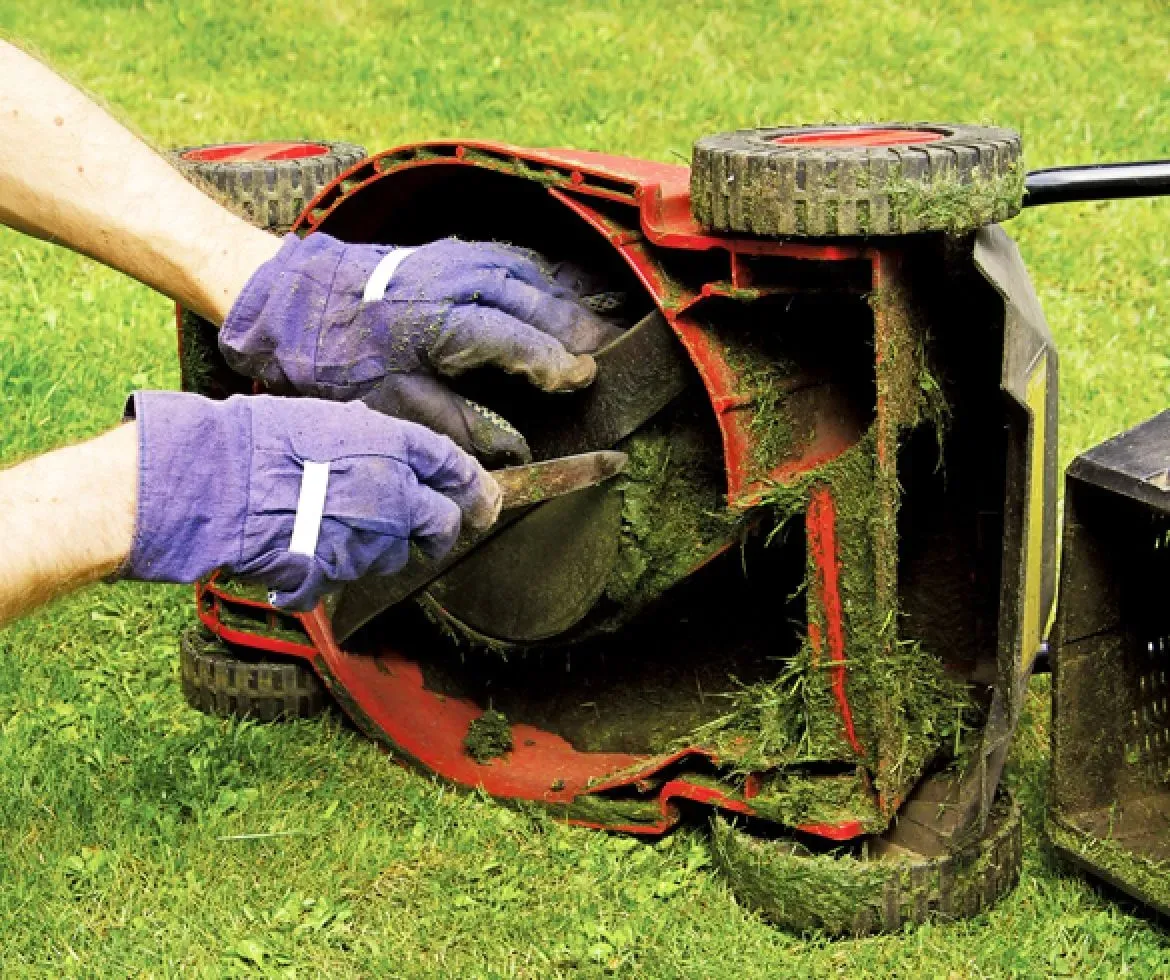
Before you sharpen, know your blade. Most walk-behind mowers have a single blade. Riding mowers often have two or more. Blades are usually made of hardened steel. They have a cutting edge on each end. The center hole fits the mower's spindle. Lawn mower blade removal is the first step. You need a wrench or socket to loosen the bolt. Always disconnect the spark plug before removal. This prevents accidental starts. Wear gloves to protect your hands.
Inspect the blade after removal. Look for cracks, bends, or excessive wear. If damaged, replace it. A balanced blade is crucial. An unbalanced blade causes vibrations. This strains the engine and makes mowing uneven. Blade balancing ensures smooth operation. You can buy a balancer or use a screwdriver. Place the blade on a nail or balancer. The heavy side will drop. File that side until it balances. Always sharpen both edges equally to maintain balance.
Choosing the Right Sharpening Method
You have two main options: a file or a grinder. File vs grinder is a common debate. A file is cheaper and safer. It removes less metal and cools naturally. A grinder is faster but risks overheating. Overheating can soften the blade's temper. That makes the edge dull quickly. Many experts prefer a file for home use. It gives you control and precision. Sharpening angle is critical. Most blades need a 30 to 45 degree angle. Follow the original factory bevel. Do not sharpen the top of the blade. Only sharpen the cutting edge.
- File: Use a 10-inch mill bastard file. Clamp the blade in a vise. Push the file across the edge in one direction. Repeat 10-15 times per side.
- Grinder: Use a bench grinder with a fine wheel. Hold the blade firmly against the wheel. Move it side to side. Dip in water every few seconds to avoid overheating.
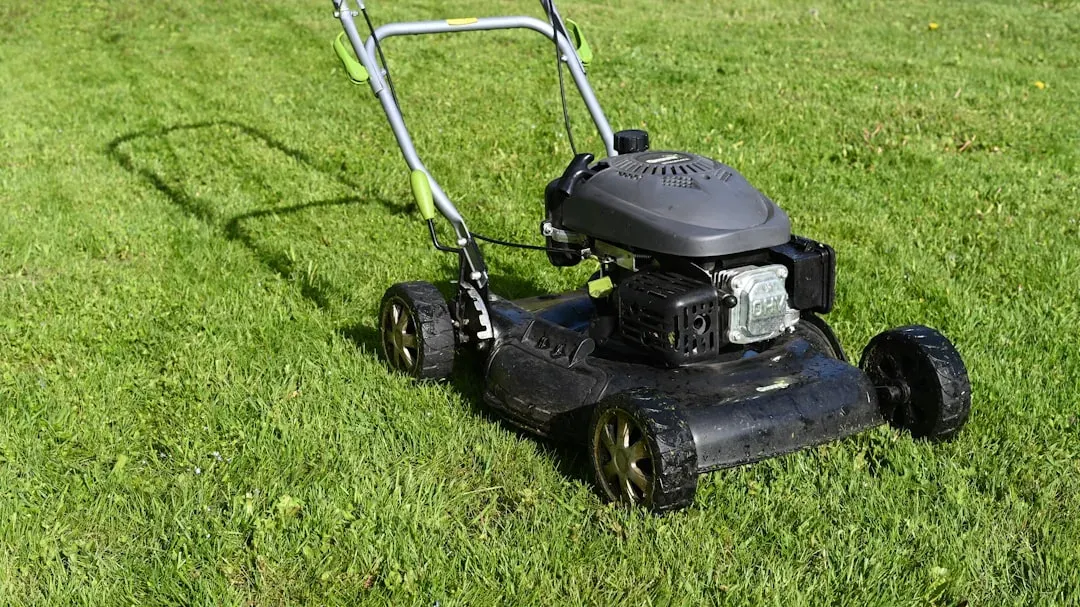
After sharpening, remove any burrs. A burr is a thin wire of metal along the edge. Use a fine file or stone to deburr. Then check the edge. It should be sharp but not razor-like. A sharp blade cuts grass, not fingers. Test it by cutting a piece of paper. If it slices cleanly, you are done. Remember to clean the blade before reinstalling. Remove grass buildup and rust. Apply a light coat of oil to prevent rust.
💡 Pro Tip
Use a marker to color the blade edge before sharpening. This helps you see where you are removing metal and maintain a consistent angle.
Step-by-Step Sharpening Process
Now let's walk through the full process. First, gather your tools. You need safety glasses, gloves, a wrench, a file or grinder, and a blade balancer. Always work on a flat surface. Follow these steps carefully.
1. Prepare the Mower
Park the mower on a flat surface. Disconnect the spark plug wire. Tip the mower on its side with the carburetor up. This prevents oil from leaking. Remove the bolt holding the blade. Use a breaker bar if it is tight. Some bolts have left-hand threads. Check your manual.
2. Remove the Blade
Use a socket or wrench to loosen the bolt. Hold the blade with one hand. Turn the bolt counterclockwise. Once loose, remove the bolt and washer. Slide the blade off the spindle. Note which side faces up. Mark it with tape for reinstallation.
3. Sharpen the Blade
Clamp the blade in a vise securely. Use a file to sharpen at the original angle. Push the file away from the edge. Do not saw back and forth. Count your strokes to keep both sides even. For a grinder, use light pressure. Cool the blade frequently in water.
4. Balance the Blade
After sharpening, balance the blade. Use a cone balancer or nail. Place the blade in the center. If one side drops, file that side more. Repeat until the blade stays level. Blade balancing is essential for a smooth cut. An unbalanced blade damages your mower.
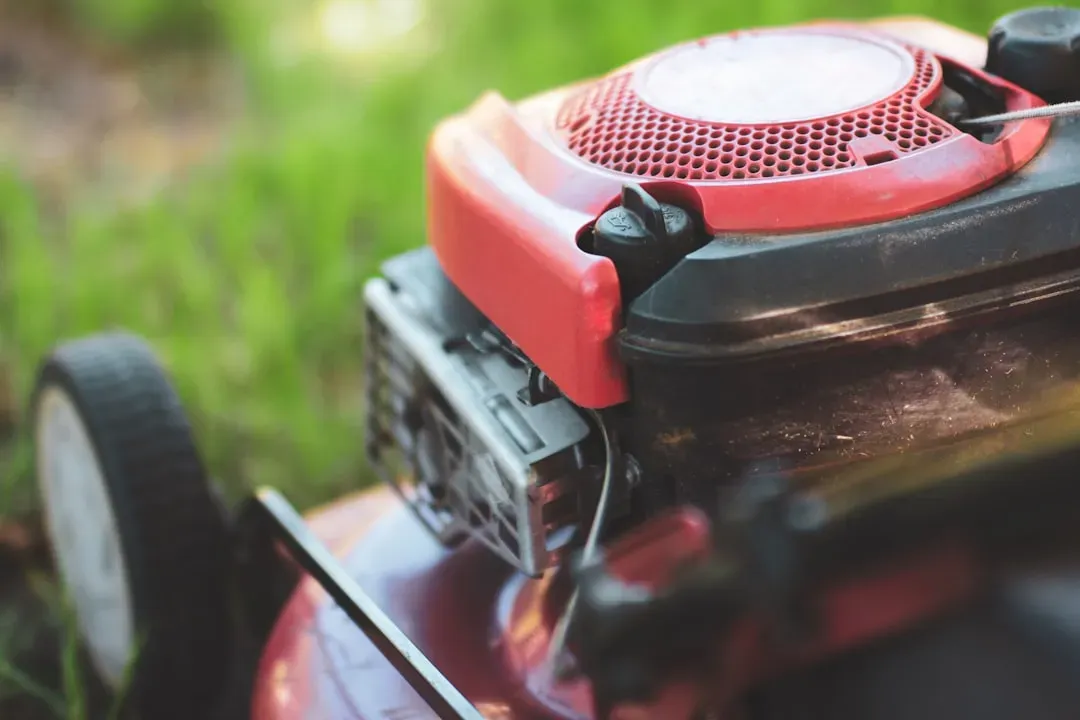
5. Reinstall the Blade
Slide the blade back onto the spindle. Ensure it faces the right direction. The cutting edge should point toward the mower deck. Place the washer and bolt. Tighten the bolt securely. Use a torque wrench if possible. Reconnect the spark plug wire. Lower the mower and test it on a patch of grass.
⚠️ Important Note
Never sharpen the blade while it is still on the mower. Always disconnect the spark plug and remove the blade to prevent accidental starts and ensure safety.
Blade Balancing and Installation
Balancing is often overlooked but critical. An unbalanced blade causes vibration. This can loosen bolts and damage the spindle. It also leaves an uneven cut. After sharpening, always check balance. You can buy a cheap balancer or use a screwdriver. Place the blade on a nail or balancer. The heavy side will drop. File that side until it balances. Repeat until the blade stays horizontal. Blade balancing takes only a few minutes but saves trouble later.
- Always sharpen both ends equally to maintain balance.
- Remove less material per stroke; it is easier to take off than add back.
- Check the blade for straightness by laying it on a flat surface.
- Replace blades that are bent or have nicks deeper than 1/8 inch.
Installation is straightforward. Use the correct bolt torque specified in your manual. Over-tightening can strip threads. Under-tightening causes wobble. After installation, rotate the blade by hand. It should spin freely without hitting the deck. Lower the mower and test on grass. Listen for unusual sounds. If you hear vibration, recheck balance.
Mower Maintenance Tips
Sharpening is part of overall mower maintenance tips. Keep your mower in top shape for the best results. Here are key practices:
- Change engine oil regularly – every 50 hours or once a season.
- Clean the underside of the deck after each use. Grass buildup reduces airflow.
- Replace spark plugs annually for easy starting. Learn how do you start lawn mower correctly.
- Air filters should be cleaned or replaced yearly.
- Sharpen blades at least twice per season. More often if you mow large lawns.
- Follow proper mowing frequency – see how often should you mow your lawn for guidance.
These tips extend mower life and improve cut quality. Combine them with regular sharpening for a lush, healthy lawn. Remember, a sharp blade is the cheapest upgrade you can make.
Frequently Asked Questions
How often should I sharpen my lawn mower blade?
Sharpen after every 25 hours of use or at least once a season. If you see ragged grass tips, sharpen sooner.
Can I sharpen a lawn mower blade without removing it?
It is not recommended. You cannot get the correct angle or balance. Always remove the blade for best results.
What is the best tool to sharpen a lawn mower blade?
A mill file is best for most home users. It gives control and avoids overheating. A grinder is faster but risky.
How do I know if my blade is balanced?
Use a blade balancer or a nail. The blade should stay level. If one side drops, file it until balanced.
Conclusion
Now you know how do you sharpen a lawn mower blade. It is a simple task that makes a big difference. With basic tools and safety precautions, you can do it in an hour. A sharp blade cuts cleanly, saves fuel, and keeps your lawn healthy. Remember to remove the blade, sharpen at the correct angle, and always balance it. Regular maintenance of your mower also helps. Follow our tips and enjoy a beautiful lawn all season. Start sharpening today and see the difference.